WHAT TO DO THIS MONTH?
Welcome to 'What To Do This Month?' where Garden Centre Owner and local gardening enthusiast Trevor gives you his advice, tips and helpful information on what you should be doing in your gardens this coming month.
Check back at the start of every month for new advice!

WHAT TO DO THIS OCTOBER?
October provides a mixed bag of weather. You can have the late summer sun at the beginning of the month followed by windy wet days and by the end you are well and truly moving into winter with the nights drawing in faster and cold frosty mornings. On crisp clear autumn days you can enjoy the ever-changing colours of autumn leaves and you can carry on harvesting the fruits of your hard work from the vegetable garden. It’s also time to start to tidy up the garden and prepare it for winter. Whatever this October brings here’s our tips on what to do in the garden.
General Maintenance
-
If you have heavy clay soil, October is a good time for digging it over. The cold and frosty weather may help to improve the soil structure by breaking down the large clumps into crumbly pieces.
-
Rake up fallen leaves from lawns and borders. You can store in bin bags to make leaf mould. It will take a year or two to fully rot down but it’s well worth it. Don’t add leaves with blackspot to the bag. Burn or bin these to stop the spores spreading next year.
-
It’s time to weed and scarify your lawn. Apply an autumn lawn feed to help revive the grass especially after the extreme heat of this year’s summer. Repair patches with new turf or seed. If mowing keep the blades high until next year.
-
Think about putting away hoses and irrigation systems, or make sure they are all empty, so that they don’t freeze and split over winter.
-
Move glazed pots that are not frost resistant into the shed or garage to stop them cracking.
-
Mulch your borders with a layer of compost, bark or gravel. This will help keep moisture in the soil and reduce any weed germination. Bark chips are good under trees and shrubs and compost is best for perennial flower beds and vegetable beds.
Flowers & Shrubs
-
Plant spring bulbs including crocuses, daffodils and snake's-head fritillaries. Check the depth of planting. As a guide use 3 times the size of the bulb. Leave Tulip bulbs until November.
-
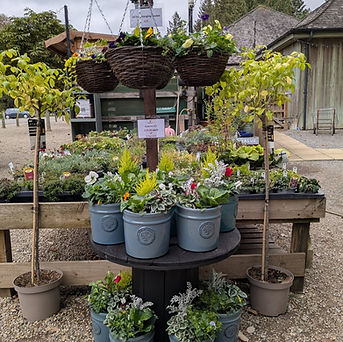
Plant up some pots with some winter colours such as winter pansies and violas, heathers and cyclamen to brighten your patio or doorstep.
-
Lift tender perennials, such as cosmos, coleus and gazanias and pot up to store away from the cold. Lift dahlia and gladioli bulbs and store them somewhere cool and dry.
-
It’s time to store dahlia tubers. Cut back to 15cm before lifting the tubers. Brush off as much soil as you can. Put them somewhere airy that they can dry for a few days. Wait until they are dry before putting them in trays or pots and covering with dry compost, wood chips, shredded paper or sand. Store in a cold greenhouse, garage or storage shed until spring.
-
It’s still a good time to plant trees, shrubs and conifers while the ground is still warm. This will allow the root systems to develop over winter ready for the growing season in spring.
-
Cut back shrub roses by a half to prevent wind-rock damage. Cut back rambling roses if not already done.
Fruit & Vegetables
-
If your tomatoes are still green pick them and put them in a bag with a banana. The banana releases ethylene which promotes ripening.
-
Harvest the last of the Runner & French beans. Cut the plants back to the ground but leave the roots in the soil so they can release their stored nitrogen.
-
Plant garlic cloves in a sunny well drained spot. Plant autumn onion and shallot sets for an early to mid-summer harvest.
-
Prune summer-fruiting raspberries. Cut back all of this year’s old fruit-bearing canes but leave the new canes, as these will produce next year’s fruit.
-
Wrap grease bands around the trunks of apple, pear, plum and cherry trees to protect from the crawling female winter moth.
Whatever you plan to do in your garden this October and you find you need spring bulbs, autumn lawn feed, fleece, pot feet or anything else for the garden come and see us at Thorp Perrow Garden Centre and see if we can help. We look forward to seeing you.